


A bench grinder is one of the most versatile tools in any workshop—quietly powering everything from sharpening blades to shaping metal. But behind its simple appearance lies a thoughtfully engineered system of components, each playing a crucial role in performance, safety, and precision.
If you truly want to get the best out of your grinder, understanding its parts isn’t optional—it’s essential.
The Heart of the Machine: The Motor

At the center of every bench grinder is its motor—the driving force behind all operations.
Typically operating between 3000–3600 RPM, the motor determines how efficiently and quickly material can be removed. A high-quality motor ensures:
- Consistent speed under load
- Smooth operation with minimal vibration
- Long-term durability for demanding tasks
Whether you’re sharpening chisels or shaping metal edges, the motor’s reliability directly impacts your results.
Grinding Wheels: Where the Work Happens
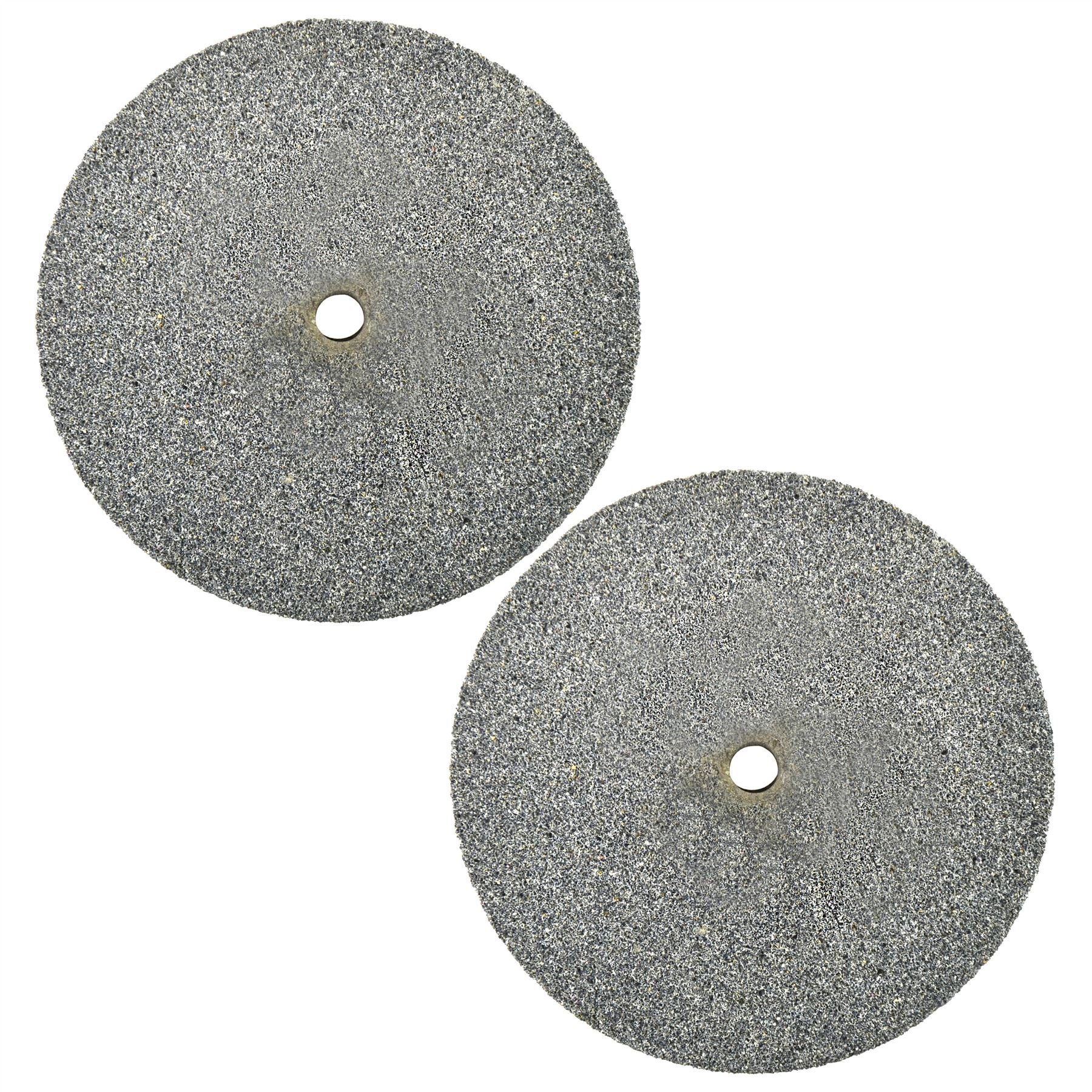
The grinding wheels are the business end of the machine. Most bench grinders come equipped with two wheels, each designed for a specific purpose:
- Coarse Wheel – Ideal for heavy material removal, shaping, and aggressive grinding
- Fine Wheel – Perfect for finishing, polishing, and achieving a smooth surface
With common sizes ranging from 6 to 8 inches in diameter, the choice of wheel material and grit defines the grinder’s versatility.
Pro Tip: Using the right wheel for the job not only improves results but also extends the life of your tool.
Safety First: Eyeshield and Wheel Guard

Bench grinders generate sparks, debris, and fine particles—making safety components absolutely critical.
- Eyeshield: Protects your eyes from flying particles and debris
- Wheel Guard: Shields you from sparks and potential wheel fragments
A properly installed wheel guard should cover at least 75% of the wheel, ensuring maximum protection without compromising usability.
Important: Never operate a bench grinder without these safety features in place.
Tool Rest: Precision in Every Movement

It provides a stable platform to support your workpiece, allowing you to:
- Maintain consistent angles
- Apply even pressure
- Improve control and finish quality
A well-adjusted tool rest is the difference between rough grinding and precision craftsmanship.
Final Thoughts
Understanding the parts of a bench grinder isn’t just about knowing your tool—it’s about unlocking its full potential. From the motor that drives performance to the wheels that shape your work, and the safety features that protect you, every component matters.
Because when you understand your tools, you don’t just work—you craft with confidence.
Post time: Apr-03-2026