


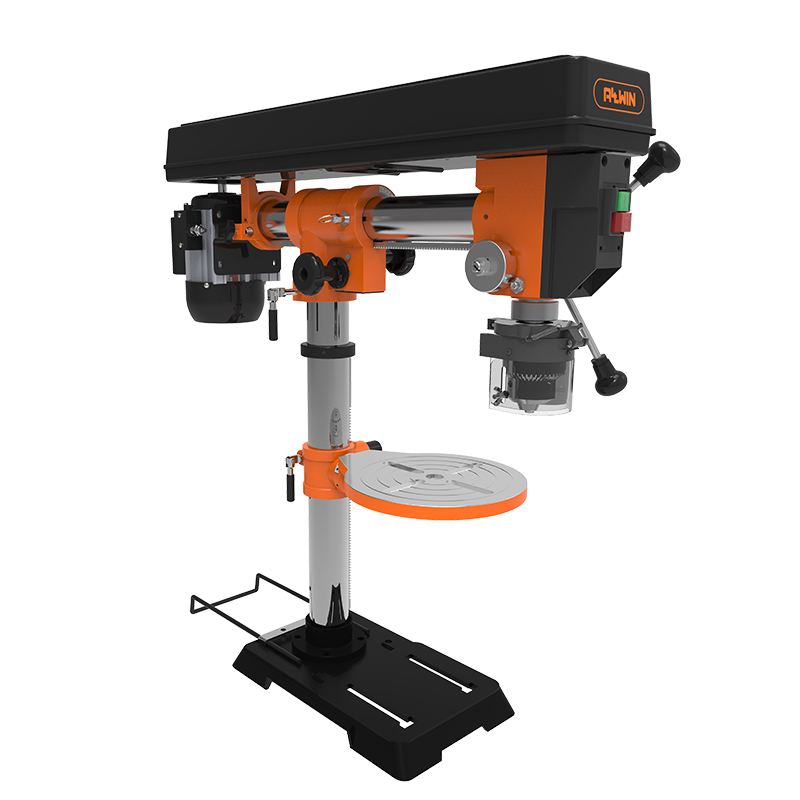
A drill press is one of the most essential machines in woodworking and metalworking workshops. It provides accuracy, stability, and repeatable drilling performance that handheld drills cannot match. However, because of its power and continuous rotation, improper use can lead to serious injuries. This guide explains safe drill press operation, practical safety habits, and professional workshop practices.
Why Drill Press Safety Matters
A drill press delivers consistent torque and downward force, making it ideal for heavy-duty drilling tasks. Operations such as circle cutting, large hole drilling, and metalworking are far safer on a drill press than with a hand drill. Unlike handheld tools, the machine will continue running if something becomes caught, which is why operator awareness is critical.
Essential Personal Protective Equipment (PPE)
Always wear safety glasses or a face shield to protect your eyes from chips and debris. Hearing protection is recommended for prolonged use. Avoid loose clothing, necklaces, watches, or gloves near rotating parts. Long hair must always be tied back securely to prevent entanglement with the spinning chuck.
Pre‑Operation Machine Inspection
Before turning on the drill press, perform a quick inspection. Ensure the drill bit is securely tightened, remove the chuck key, select the correct speed for the material, and confirm the table and head locks are tightened. Check that belts, guards, and switches function correctly.
Selecting the Correct Speed and Drill Bit
Different materials require different spindle speeds. Use slower speeds for metal and large bits, and higher speeds for smaller bits and wood applications. Always use sharp, high‑quality drill bits to reduce grabbing, heat buildup, and excessive force.
Secure the Workpiece — The Golden Rule
One of the most common drill press accidents happens when the drill bit grabs the material. The workpiece can spin violently, causing finger injuries or wrist damage. Always clamp the material securely or use a drill press vise. If clamping is not possible, ensure the workpiece is large enough to control safely.
Proper Drilling Technique
Position the workpiece squarely under the bit and lower the quill slowly. Apply steady pressure without forcing the cut. Allow the bit to remove material naturally. Withdraw the bit periodically to clear chips, especially when drilling deep holes.
Operations Best Suited for a Drill Press
A drill press allows safe execution of operations that should never be attempted with handheld drills, including:
- Circle cutters
- Forstner bits
- Hole saw operations
- Counterboring and countersinking
- Repetitive production drilling
- Precision perpendicular holes
Common Mistakes to Avoid
- Leaving the chuck key in place
- Holding small parts by hand
- Using dull drill bits
- Forcing the feed handle
- Wearing loose accessories
- Adjusting the machine while running
Maintenance for Safe Operation
Regular maintenance improves both safety and machine life. Clean chips and dust after use, lubricate moving parts periodically, inspect belts and pulleys, verify electrical safety, and replace worn tooling promptly.
Additional Workshop Safety Tips
Keep the work area clean and well-lit. Use dust extraction when drilling wood or composite materials. Stand slightly to one side of the rotating spindle rather than directly in line with it. Never leave a running drill press unattended.
Conclusion
A drill press is one of the safest and most precise machines when used correctly. Following proper safety procedures protects both the operator and the workpiece. At Allwin Tools, our drill presses are designed for stability, accuracy, and reliable performance for professionals and DIY users alike. Visit www.allwin-tools.com to explore our full range of workshop machines.
Post time: Mar-02-2026